
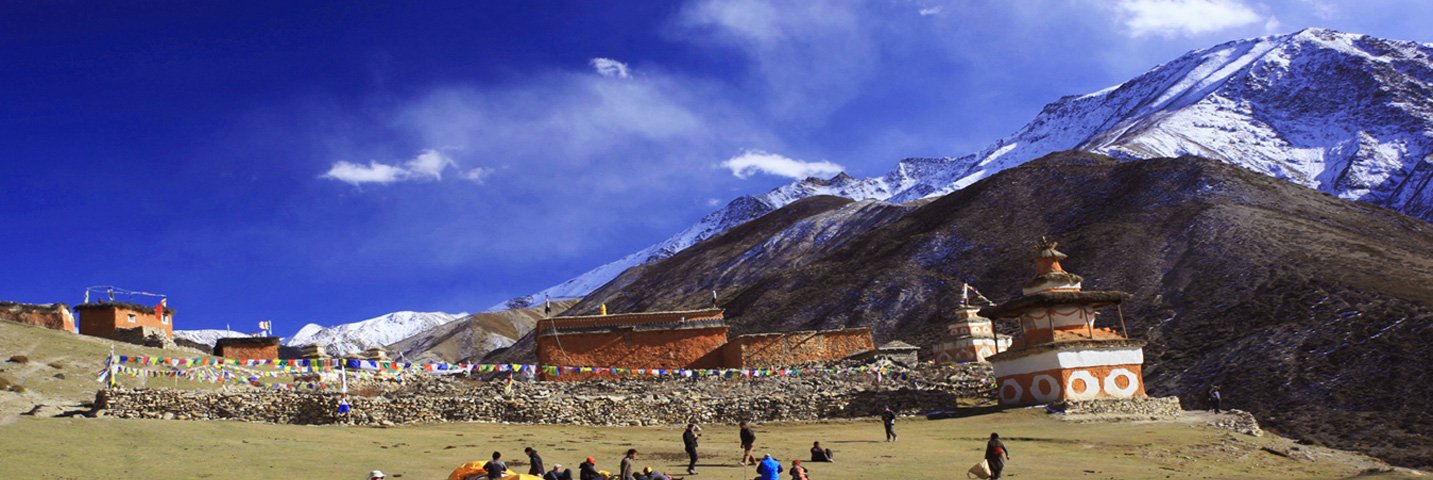
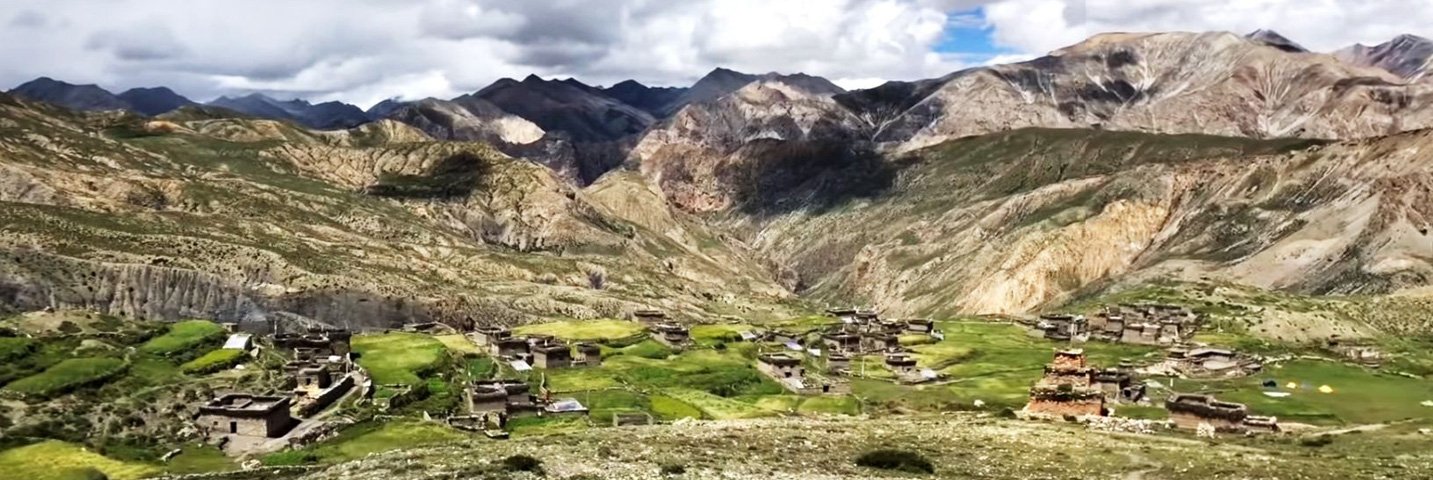
The Upper Dolpo with Jomsom Trek is one of Nepal’s most remote and rewarding Himalayan adventures,...
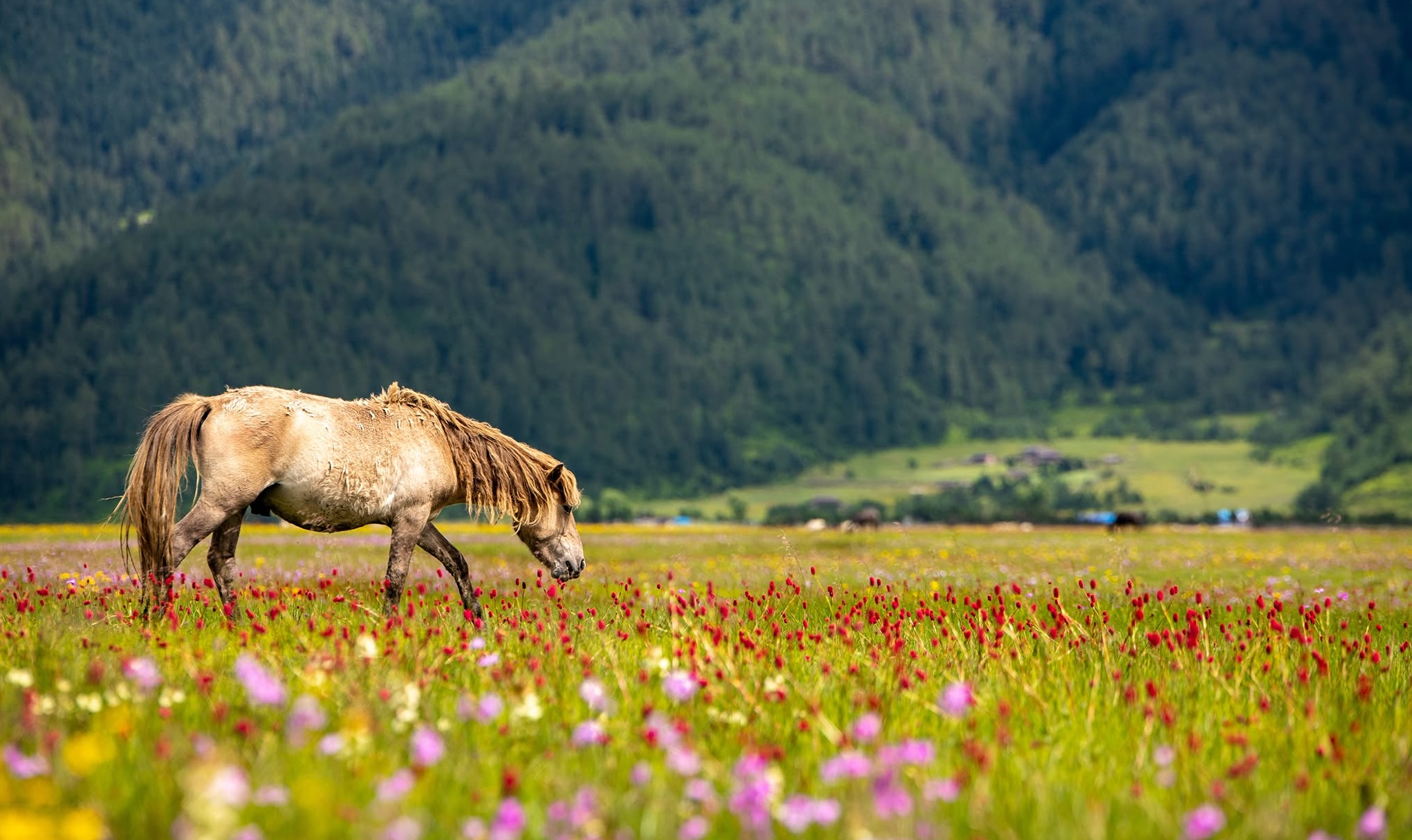
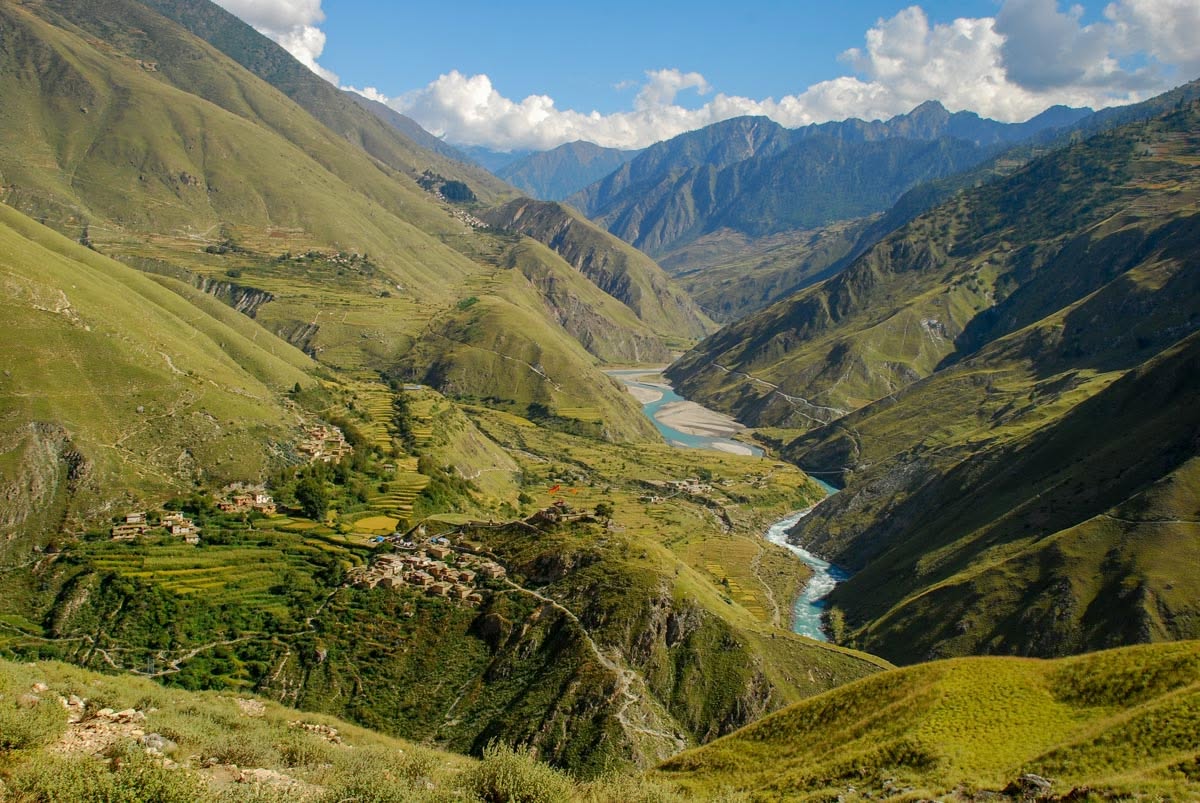
The Dhorpatan with Upper Dolpo Trek is one of Nepal’s most extraordinary and off-the-beaten-path Himalayan adventures, offering a rare combination of wildlife-rich conservation landscapes and the mystical isolation of the remote Dolpo region. The journey begins in the serene Dhorpatan Hunting Reserve, the only hunting reserve in Nepal, where trekkers walk through lush alpine forests, rolling meadows, and traditional Magar settlements surrounded by the distant peaks of the Dhaulagiri range. This lower section of the trek is rich in biodiversity, with chances to spot Himalayan wildlife such as blue sheep, musk deer, and various bird species, making it a peaceful yet exciting introduction to the adventure ahead. As the trail gradually ascends, the landscape begins to shift, giving way to rugged hills, deep valleys, and increasingly remote terrain that signals the transition toward Upper Dolpo.
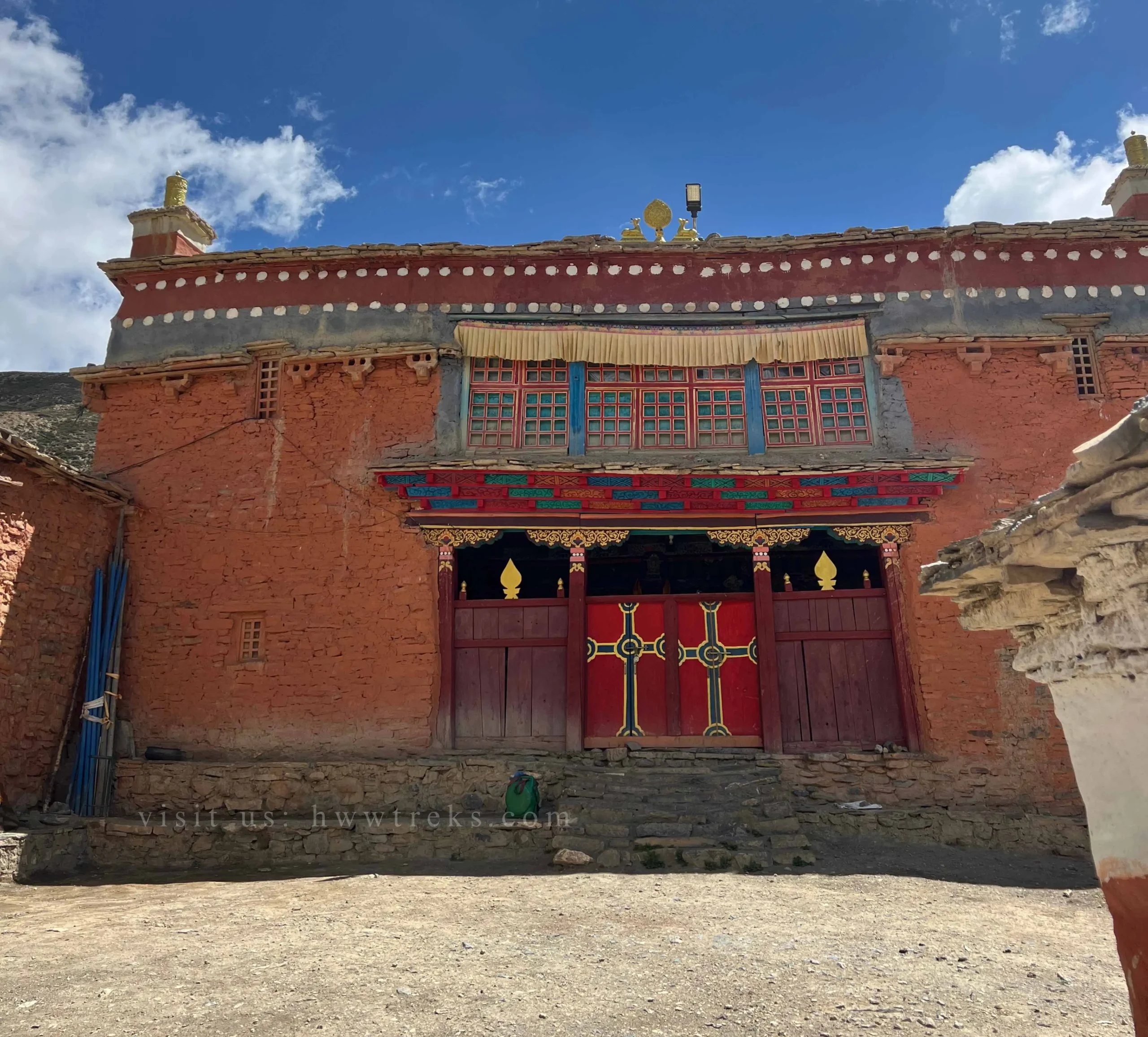
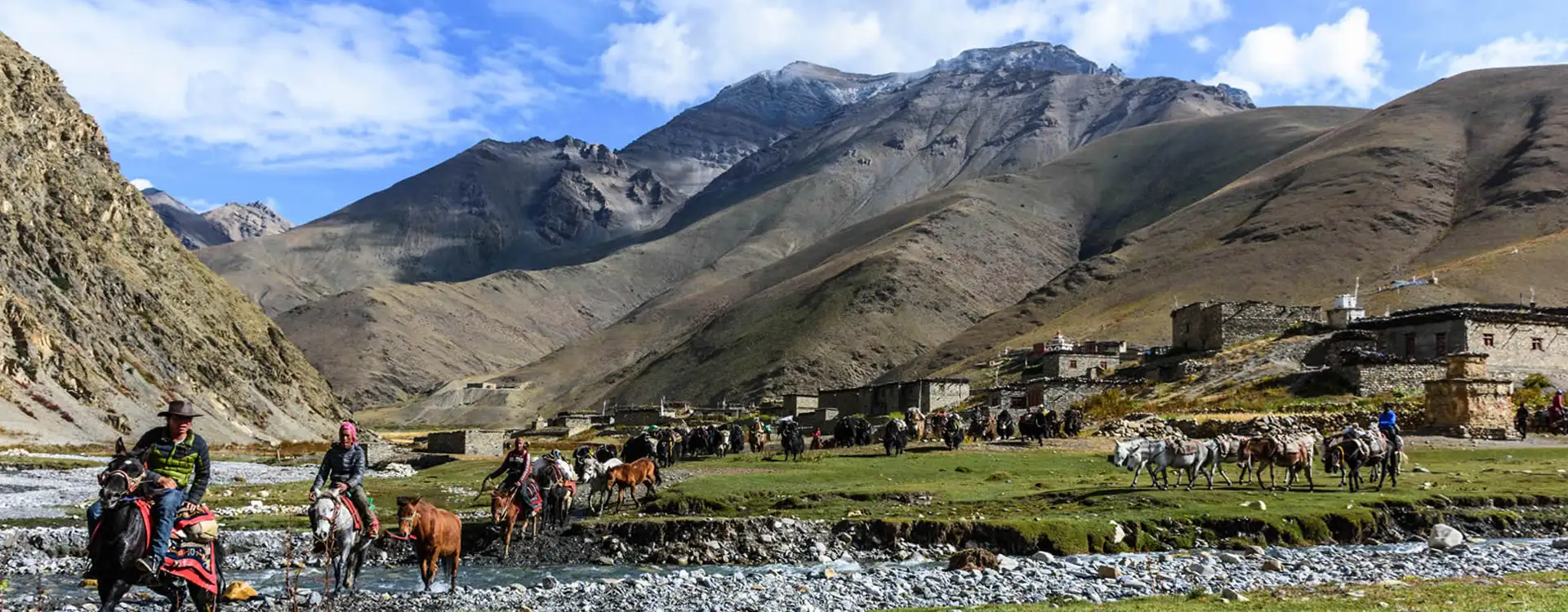
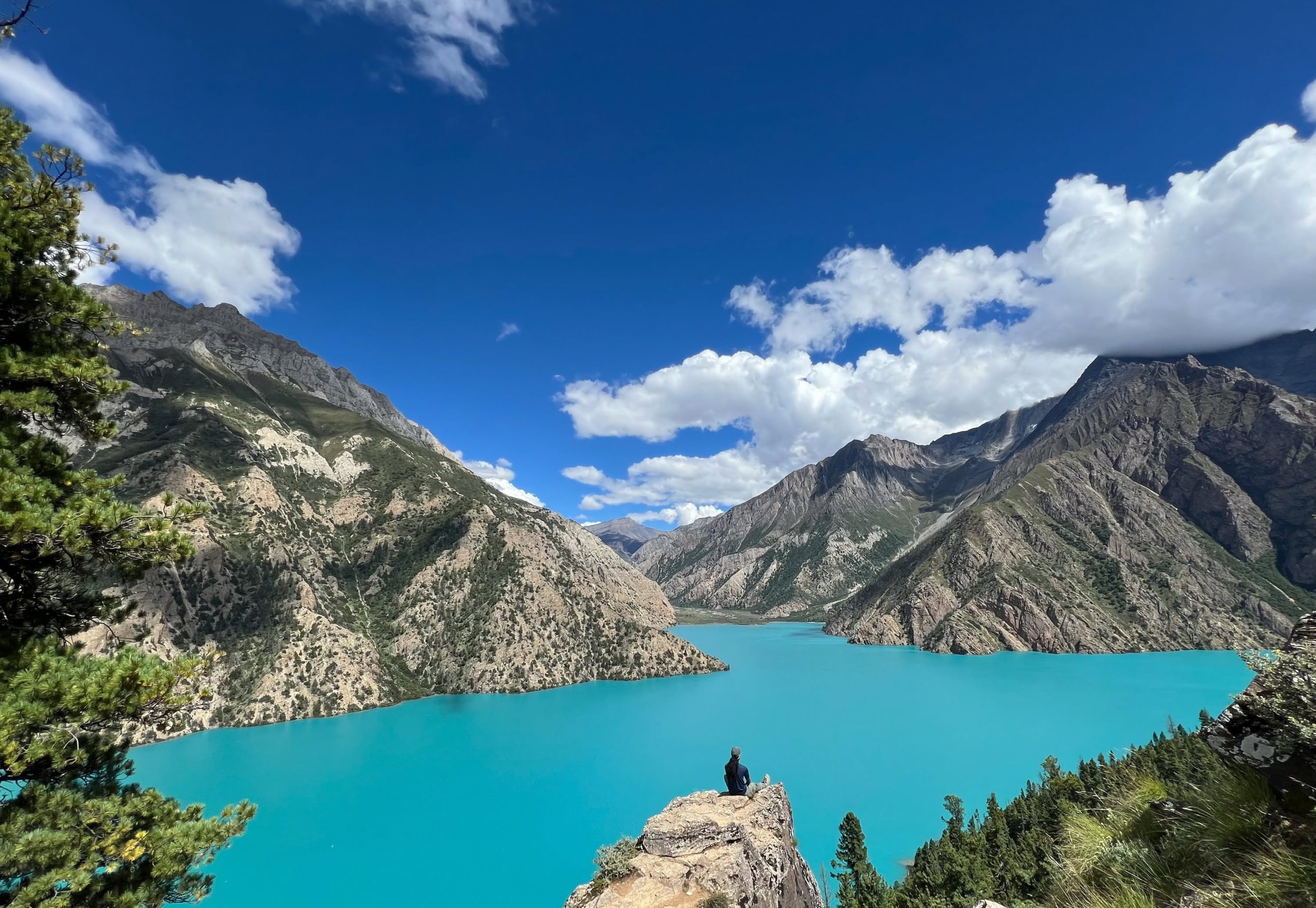
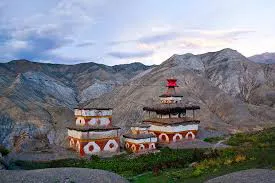
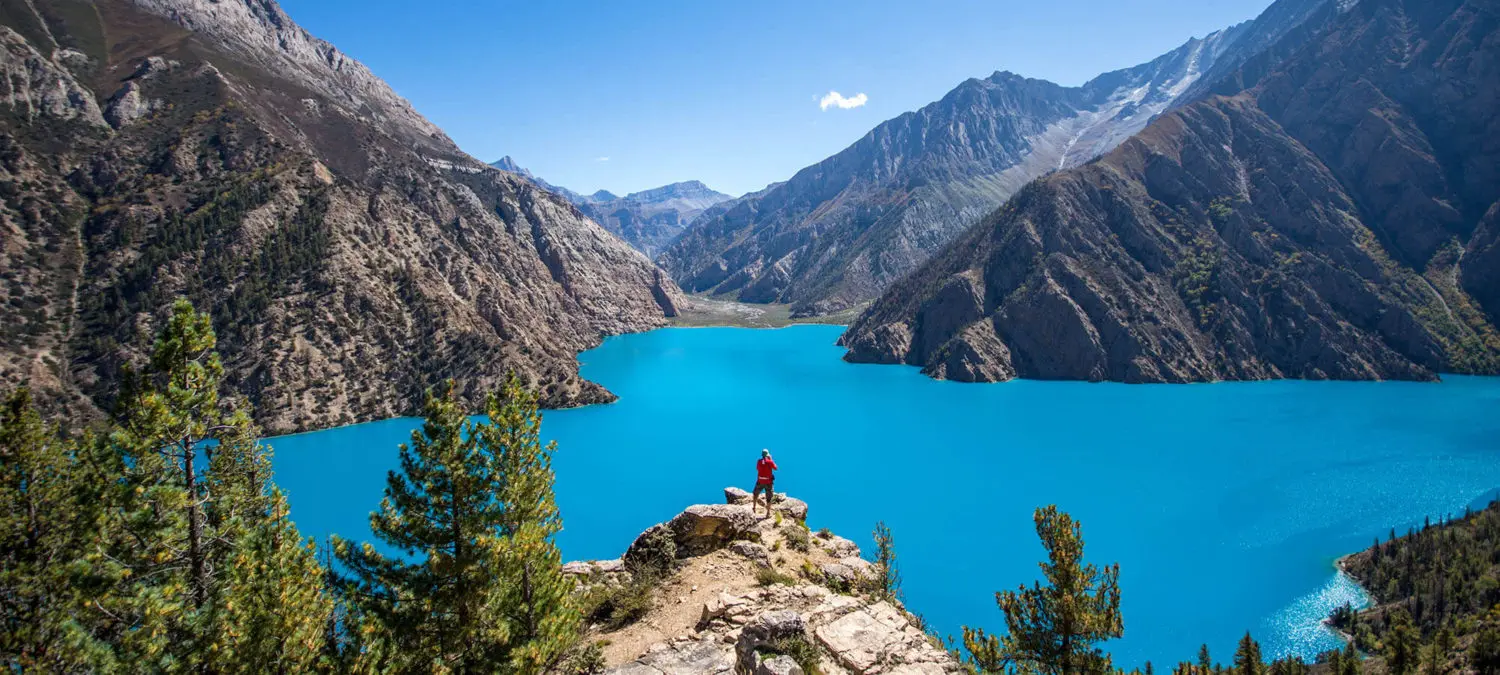
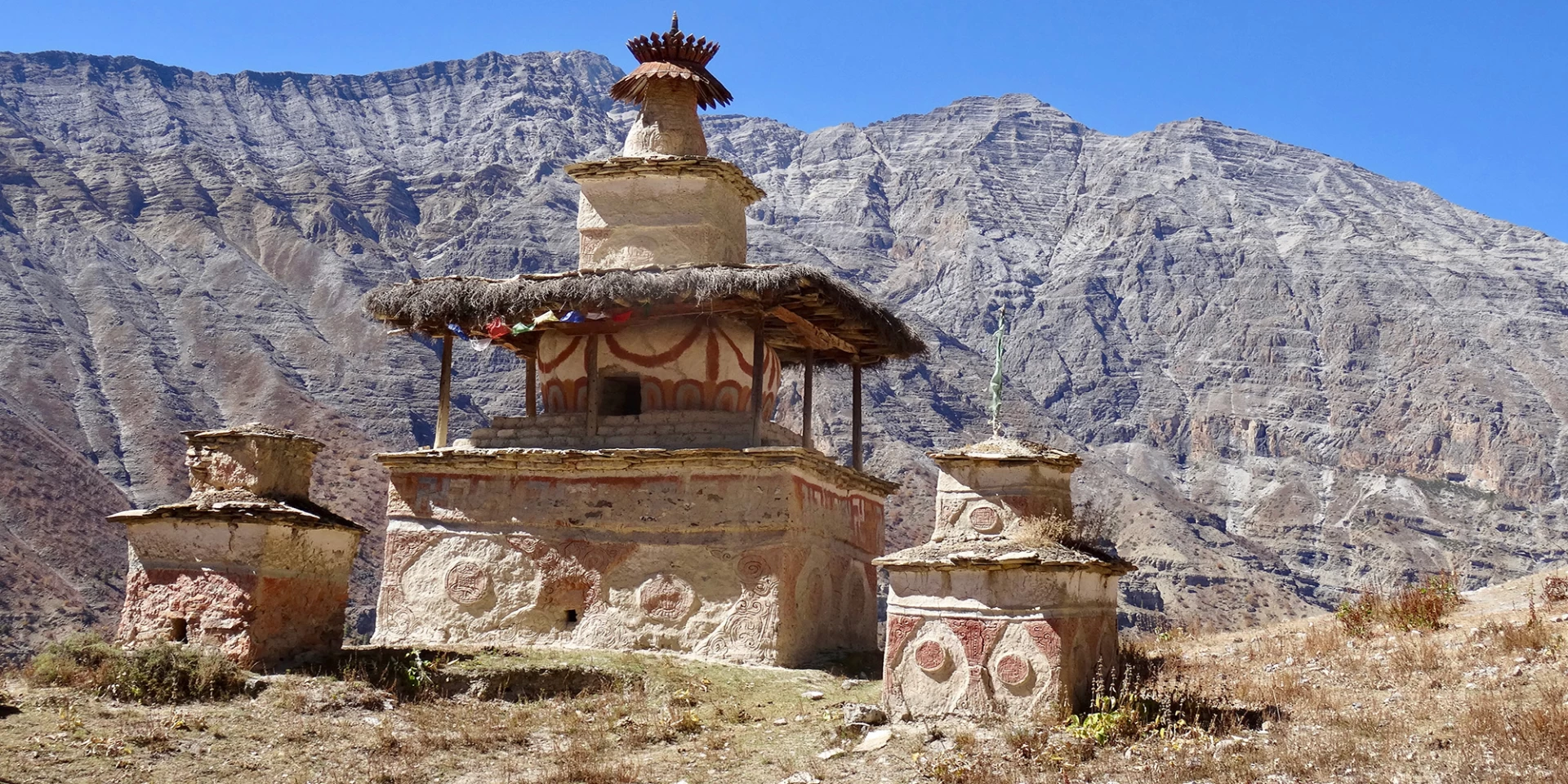
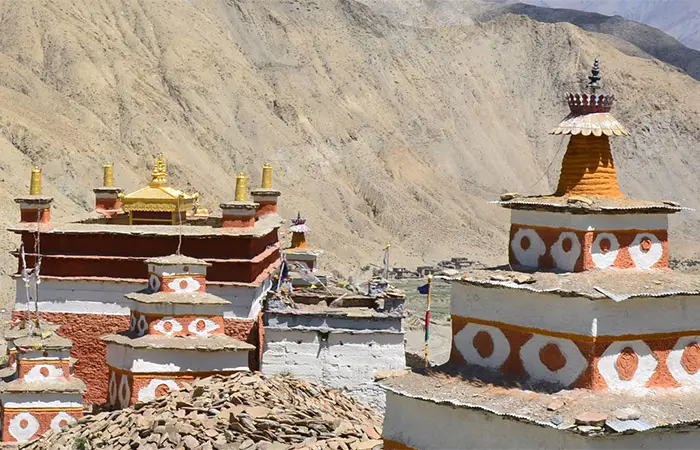
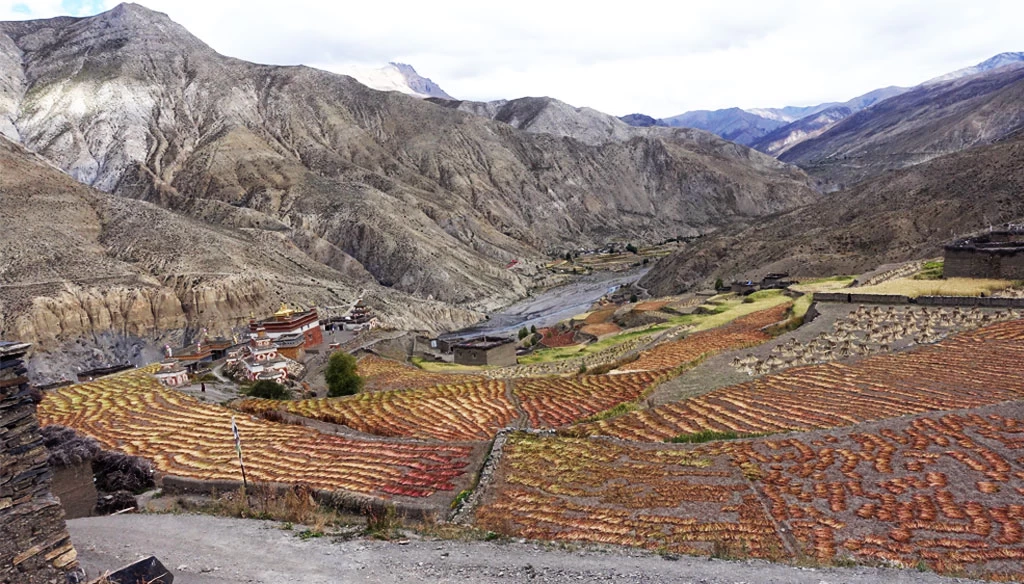
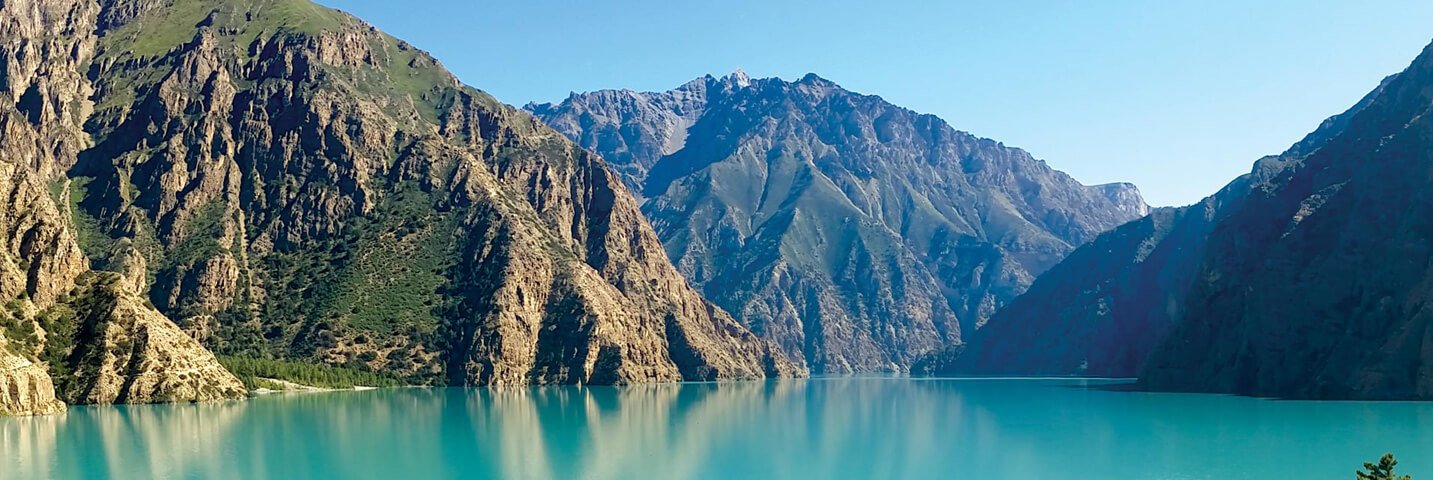
Once inside the Dolpo region, the trek transforms into a truly wild Himalayan experience. The route passes through ancient villages, high-altitude deserts, and dramatic mountain landscapes that feel untouched by time. One of the major highlights is the breathtaking Shey Phoksundo Lake (3,611 m), famous for its deep turquoise waters surrounded by sheer cliffs and spiritual significance in both Buddhist and Bon traditions. From here, the journey continues through narrow gorges, dense pine forests, and alpine valleys before ascending to remote settlements such as Saldang, Chharka Bhot, and Tinje, where centuries-old Tibetan-influenced cultures are still preserved in their purest form. The trek also involves crossing challenging high passes like Nagdala Pass (5,350 m), Mola La Pass (5,030 m), and Niwar La Pass (5,120 m), each rewarding trekkers with panoramic views of the snow-clad Himalayas and vast, dramatic landscapes stretching into Tibet.
What makes the Dhorpatan with Upper Dolpo Trek truly special is its perfect blend of natural beauty, cultural depth, and raw adventure. Unlike more commercial trekking routes in Nepal, this journey offers solitude, authenticity, and a deep sense of exploration. Every step reveals a new contrast—from green valleys and wildlife habitats to barren high-altitude deserts and sacred monasteries hidden in the mountains. It is a trek that demands physical endurance and strong acclimatization, but in return, it offers one of the most unforgettable experiences in the Himalayas. For trekkers seeking a rare combination of wilderness, spirituality, and cultural richness, the Dhorpatan with Upper Dolpo Trek stands as a once-in-a-lifetime expedition into one of the last truly untouched corners of Nepal.
Trip Information

Duration
28 Days

Difficulty Level
High

Max-Altitude
17056 ft / 5200

Group Size
02

Highest location
Saldang La
Itinerary
-
Day 01: Arrival day in Kathmandu (1300m)
Your journey begins with your arrival in Kathmandu (1,300 m / 4,265 ft), the vibrant capital city and main international gateway to Nepal via Tribhuvan International Airport. Upon landing, you will be warmly welcomed by a representative from Sherpa Himalaya, who will greet you with a traditional flower garland and a brief introduction to your upcoming adventure. Afterward, you will be comfortably transferred to your hotel, where you can relax, freshen up, and recover from jet lag, preparing yourself for the exciting Himalayan journey ahead.
Overnight at KTM Hotel
- Day 02: Trek Preparation in Kathmandu
Trek Preparation Day in Kathmandu is dedicated to finalizing your Himalayan adventure. On this day, we will meet to briefly review the full trekking itinerary and provide important information about the journey ahead.
Our team will also assist you in checking your clothing and trekking equipment to ensure you are fully prepared for the conditions in the mountains. If any essential gear is missing, you will be guided to trusted shops in Kathmandu where you can purchase or rent necessary items.
This preparation day ensures everything is well-organized and ready for a smooth and comfortable trekking experience. You will spend the night at your hotel in Kathmandu, relaxing and getting ready for the adventure ahead.
Overnight at KTM Hotel
- Day 03: Drive/flight from Kathmandu (1,300 m / 4,265 ft) to Pokhara (823 m / 2,700 ft)
The journey from Kathmandu (1,300 m / 4,265 ft) to Pokhara (823 m / 2,700 ft) is one of the most scenic and popular travel routes in Nepal, serving as the gateway to the Annapurna region. Travelers can either take a short 25–30 minute flight, offering breathtaking aerial views of the Himalayas, or enjoy a 6–8 hour drive through rivers, hills, terraced fields, and traditional villages.
This journey is perfect for trekkers beginning their Himalayan adventure, as Pokhara is a peaceful lakeside city surrounded by stunning mountain scenery, including views of Machhapuchhre (Fishtail) and the Annapurna range. It is the main starting point for many famous treks in Nepal, offering comfort, beauty, and easy access to the Annapurna trekking routes.
Overnight at Pokhara hotel.
- Day 04: Drive from Pokhara (822m) to Dhorpatan (2,850m) (8-10 hours)
The drive from Pokhara (822m) to Dhorpatan (2,850m) takes approximately 8–10 hours, passing through the scenic mid-hills of western Nepal via Baglung and Burtibang. The journey offers beautiful views of terraced farmlands, traditional villages, dense forests, and rolling green hills, with occasional glimpses of the Dhaulagiri and Annapurna mountain ranges. As the road climbs toward Dhorpatan, the landscape becomes more rugged and remote, leading to the picturesque Dhorpatan Valley, famous for its alpine meadows, rich wildlife, and Nepal’s only hunting reserve.
Overnight at Dhorpatan
- Day 05: Rest and acclimatization day in Dhorpatan (2,850m)
A rest and acclimatization day in Dhorpatan (2,850m) provides an excellent opportunity to adjust to the increasing altitude while exploring the beautiful surroundings of the Dhorpatan Valley. Surrounded by rolling alpine meadows, pine forests, and snow-capped peaks, visitors can enjoy short walks around the valley, observe local village life, and take in panoramic views of the Dhaulagiri range. This relaxing day helps prepare trekkers for the higher elevations ahead while allowing them to experience the natural beauty and peaceful atmosphere of Nepal’s only hunting reserve.
- Day 06: Trek from Dhorpatan (2,850m) to Thakur Camp (3,250m)(5-6 hours)
The trek from Dhorpatan (2,850m) to Thakur Camp (3,250m) takes approximately 5–6 hours, following scenic trails through alpine meadows, dense rhododendron forests, and remote grazing pastures. As the trail gradually ascends, trekkers are rewarded with beautiful views of the Dhaulagiri range, rolling hills, and the pristine wilderness of the Dhorpatan region. Thakur Camp provides a peaceful overnight stop surrounded by unspoiled mountain landscapes, making it an ideal place to experience the natural beauty and tranquility of western Nepal.
- Day 07: Trek from Thakur Camp (3,250m) to Pelma (6-7 hours )
The trek from Thakur Camp (3,250m) to Pelma (approximately 2,100m) takes around 6–7 hours, descending through beautiful forests, open hillsides, and remote mountain settlements. Along the way, trekkers enjoy panoramic views of the Dhaulagiri range, rolling green valleys, and traditional villages that reflect the rich culture of western Nepal. The trail passes through diverse landscapes, offering a rewarding mix of natural beauty and local heritage before reaching the peaceful village of Pelma for an overnight stay.
- Day 08: Trek from Pelma (2,100m) to Dhule Camp ( 3,350m) (6–7 hours)
The trek from Pelma (approximately 2,100m) to Dhule Camp (approximately 3,350m) takes around 6–7 hours, ascending steadily through dense forests, alpine pastures, and remote mountain terrain. As the trail gains elevation, trekkers are rewarded with increasingly spectacular views of the Dhaulagiri massif, surrounding peaks, and pristine valleys. The route passes through peaceful wilderness with few settlements, offering a true Himalayan trekking experience. Dhule Camp provides a scenic overnight stop surrounded by high-altitude landscapes and serves as an important resting point before continuing toward the higher passes ahead.
- Day 09: Trek from Dhule Camp (3,350m) to Pupal Danda Camp (approximately 4,000m) (5-6 hours)
The trek from Dhule Camp (3,350m) to Pupal Danda Camp (approximately 4,000m) takes around 5–6 hours, climbing steadily through alpine meadows and rugged high-altitude terrain. As the trail ascends above the tree line, trekkers are rewarded with spectacular panoramic views of the Dhaulagiri massif, Gurja Himal, and the surrounding Himalayan peaks. The route traverses remote mountain landscapes and open ridges, offering a true wilderness experience. Pupal Danda Camp provides a scenic overnight stop with breathtaking sunset and sunrise views over the snow-capped mountains, making it one of the highlights of the trek.
- Day 10: Trek from Pupal Danda Camp (approximately 4,000m) to Shartara Camp (approximately 4,500m)(5-6 hours)
The trek from Pupal Danda Camp (approximately 4,000m) to Shartara Camp (approximately 4,500m) takes around 5–6 hours, traversing high alpine ridges and remote mountain terrain. The trail offers magnificent views of the Dhaulagiri massif, Gurja Himal, Churen Himal, and surrounding snow-capped peaks. As the route climbs higher into the rugged wilderness, trekkers experience vast open landscapes, pristine grazing pastures, and a true sense of Himalayan isolation. Shartara Camp provides a spectacular overnight campsite with panoramic mountain vistas, making it an ideal base before crossing the higher passes ahead.
- Day 11: Trek from Shartara Camp (approximately 4,500m) to Dunai (2,140m) (7-8 hours)
The trek from Shartara Camp (approximately 4,500m) to Dunai (2,140m) takes around 7–8 hours, descending through remote alpine landscapes, high mountain pastures, and dense forests into the heart of the Dolpo region. Along the way, trekkers enjoy spectacular views of the Dhaulagiri and Churen Himal ranges, as well as beautiful river valleys and traditional settlements. As the trail gradually loses elevation, the rugged high-altitude terrain gives way to greener hillsides and cultivated fields. The day concludes in Dunai, the administrative center of Dolpo, where trekkers can experience the unique culture and hospitality of the region.
- Day 12: Trek from Dunai (2,140 m) to Chhepka (2,670 m) (5-7 hours)
The trek from Dunai (2,140 m) to Chhepka (2,670 m) takes about 5–7 hours and follows the Thuli Bheri River before entering Shey Phoksundo National Park at Suligad. The trail gradually ascends through small settlements, suspension bridges, and dense forests of pine and walnut, offering a peaceful walk deeper into the Phoksundo River valley. With a steady but moderate climb in elevation, the route becomes more remote and scenic, ending at Chhepka, a quiet riverside village that serves as the first major overnight stop in the Upper Dolpo region.
- Day 13: Trek from Chhepka (2,670 m) to Jharana Hotel (3,170 m)(5-7 hours)
The trek from Chhepka (2,670 m) to Jharana Hotel (3,170 m) takes about 5–7 hours and follows the Phoksundo River valley through dense forests, suspension bridges, and small settlements. The trail gradually ascends, passing scenic waterfalls, rocky gorges, and sections of cedar and pine forest as it moves deeper into Shey Phoksundo National Park. After a steady climb in elevation and a mix of ups and downs along the riverbank, you reach Jharana Hotel, a peaceful stop near the famous waterfall, where trekkers usually rest overnight before continuing toward Phoksundo Lake- Day 14: Trek from Jharana Hotel (3,170 m) to Shey Phoksundo Lake (3,611 m) (5-6 hours)
The trek from Jharana Hotel (around 3,100–3,170 m) to Shey Phoksundo Lake (3,611 m) takes about 5–6 hours and is one of the most scenic sections of the Upper Dolpo route. The trail continues through Shey Phoksundo National Park, crossing rugged cliffs, pine forests, and high alpine terrain with gradual ascents and occasional exposed paths along the Phoksundo River valley. As you approach Ringmo village, the landscape opens up dramatically, revealing the stunning turquoise waters of Phoksundo Lake, a sacred and breathtaking destination surrounded by dramatic Himalayan cliffs.
- Day 15: Acclimatization day at Shey Phoksundo Lake (3,611 m)
An acclimatization day at Shey Phoksundo Lake (3,611 m) is an important rest day that allows trekkers to adapt to the high altitude while exploring one of Nepal’s most spectacular alpine landscapes. The day is usually spent with short hikes around Ringmo village, viewpoints above Phoksundo Lake, or nearby ridges, offering panoramic views of the turquoise lake surrounded by dramatic cliffs and snow-capped peaks. This rest day also provides an opportunity to experience the unique Tibetan-influenced culture, Bon monasteries, and traditional lifestyle of the local people, helping the body recover and prepare for higher and more remote sections of the Upper Dolpo trek.
- Day 16: Trek from Shey Phoksundo Lake (3,611 m) to Forest Camp (4,050 m) (5-6 hours)
The trek from Shey Phoksundo Lake (3,611 m) to Forest Camp (around 3,800–4,050 m) takes approximately 5–6 hours and begins with a steady climb away from the lake, passing through Ringmo village and gradually entering remote alpine terrain. The trail becomes more rugged and less frequented as you ascend through dense pine and juniper forests, with occasional open ridges offering views back toward the turquoise Phoksundo Lake. This section involves a continuous uphill gain in elevation and limited settlements, so trekkers move deeper into the wilderness of Shey Phoksundo National Park before reaching Forest Camp, a basic high-altitude camping site surrounded by forested slopes and mountain silence.
- Day 17: Trek from Forest Camp (4,050 m) to High Camp (4,500 m) (5-6 hours)
The trek from Forest Camp (4,050 m) to High Camp (4,500 m) takes about 5–6 hours and is a steady uphill climb through increasingly rugged and alpine terrain. Leaving the forested zone behind, the trail enters open slopes with sparse vegetation, yak grazing areas, and rocky ridgelines, offering expansive views of the surrounding valleys and distant snow peaks. As the elevation rises, the air becomes thinner and the landscape more barren, marking a significant step into the high Himalaya. High Camp is a basic camping site used for acclimatization before crossing high passes deeper into Upper Dolpo.
- Day 18: Trek from High Camp (4,500 m) to Shey Gompa (4,160 m) via Nagdala Pass (5,350 m) (7-8 hours)
The trek from High Camp (around 4,300–4,500 m) to Shey Gompa (4,160 m) via Nagdala Pass (5,350 m) is a challenging high-altitude day that takes approximately 7–8 hours. The trail begins with a steep ascent to Nagdala Pass, the highest point of the journey, where trekkers are rewarded with panoramic views of the Dolpo Himalaya, barren ridges, and distant snow-capped peaks. After crossing the pass, the route descends gradually through rocky terrain and alpine valleys, eventually easing into the sacred region of Shey Gompa, a historic monastery set beneath the Crystal Mountain. This section involves significant elevation gain and loss, requiring good acclimatization and steady pacing throughout the day.- Day 19: Acclimatization and rest at Shey Gompa
The acclimatization and rest day at Shey Gompa (4,130m) is an important break during the Upper Dolpo Trek, allowing trekkers to adapt to the high altitude while exploring one of the most sacred sites in the region. Surrounded by vast, barren Himalayan landscapes and distant snow peaks, Shey Gompa offers a peaceful and spiritual atmosphere.
During the day, trekkers can visit the ancient Shey Monastery, known for its deep Buddhist significance and connection to the holy Crystal Mountain. Short hikes around the valley provide stunning views of the remote Dolpo terrain, with its dramatic cliffs, open plateaus, and untouched wilderness.
This rest day combines cultural exploration with essential acclimatization, preparing the body for the challenging high passes ahead.
Overnight at Shey Gompa.
- Day 20: Trek from Shey Gompa (4,160 m) to Saldang Village (3,770 m) (6-7 hours)
The trek from Shey Gompa (4,160 m) to Saldang Village (3,770 m) takes about 6–7 hours and follows a remote, high-altitude trail through the heart of Upper Dolpo. The route gradually crosses dry alpine valleys, rocky ridges, and open highland terrain with spectacular views of barren mountains and distant snow peaks. After leaving the sacred area of Shey, the trail gently descends and traverses long stretches of windswept landscape before reaching the more culturally rich and larger settlement of Saldang, one of the most important villages in Upper Dolpo known for its traditional Tibetan Buddhist culture and ancient monasteries.
- Day 21: Rest and acclimatization day at Saldang Village (3,770 m)
A rest and acclimatization day at Saldang Village (3,770 m) provides an excellent opportunity to recover from the previous days of trekking while experiencing the unique culture of Upper Dolpo. Trekkers can explore the village’s traditional stone houses, ancient monasteries, and surrounding fields, while enjoying impressive views of the arid Himalayan landscape. This relaxed day also allows time to interact with local residents, learn about their Tibetan-influenced way of life, and prepare for the more remote sections of the journey ahead.
- Day 22: Trek from Saldang Village (3,770 m) to Khoma Gaon (4,060 m) (5-7 hours)
The trek from Saldang Village (3,770 m) to Khoma Gaon (around 4,060 m) takes approximately 5–7 hours and follows a scenic trail through the remote landscapes of Upper Dolpo. The route traverses barren hillsides, traditional farming settlements, and ancient trade paths, offering remarkable views of the surrounding valleys and rugged mountains. With a gradual gain in elevation, the trail passes through culturally rich Tibetan-influenced villages before reaching Khoma Gaon, a peaceful settlement known for its traditional lifestyle, chortens, and spectacular high-altitude scenery.
- Day 23: Trek from Khoma Gaon (4,060 m) to Tinje Gaon (4,110 m) (5-7 hours)
The trek from Khoma Gaon (4,060 m) to Tinje Gaon (4,110 m) takes about 5–7 hours and follows an ancient trans-Himalayan trade route through the remote valleys of Upper Dolpo. The trail undulates across arid landscapes, passing traditional stone settlements, mani walls, and grazing pastures with magnificent views of the surrounding mountains. Although the elevation gain is minimal, the route involves several ascents and descents before reaching Tinje Gaon, one of the largest and most historically significant villages in Upper Dolpo, renowned for its rich Tibetan culture, centuries-old traditions, and strategic location along historic trade routes.
- Day 24: Trek from Tinje Gaon (4,110 m) to Yak Kharka (4,850 m) (5–7 hours)
The trek from Tinje Gaon (4,110 m) to Yak Kharka (around 4,850 m) takes approximately 5–7 hours and gradually ascends through the remote highlands of Upper Dolpo. The trail follows broad valleys, alpine meadows, and traditional grazing areas used by local herders, offering sweeping views of the surrounding Himalayan peaks and barren mountain landscapes. As the elevation increases, the terrain becomes more rugged and isolated, leading to Yak Kharka, a seasonal pasture and camping site where trekkers rest before crossing the high passes ahead.
- Day 25: The trek from Yak Kharka ( 4,850 m) to Chharka Bhot (4,300 m)(7-9 hours)
The trek from Yak Kharka ( 4,850 m) to Chharka Bhot (4,300 m) takes approximately 7–9 hours and involves crossing the challenging Mola La Pass (5,030 m), one of the major high passes of the Upper Dolpo region. From the pass, trekkers are rewarded with spectacular views of the surrounding Himalayan ranges, rugged valleys, and vast high-altitude landscapes. The trail then descends through barren terrain and traditional grazing areas before reaching Chharka Bhot, a picturesque Tibetan-influenced village known for its ancient culture, stone houses, and dramatic mountain setting.
- Day 26: trek from Chharka Bhot (4,300 m) to Yak Kharka (around 4,900 m) (5-7 hours)
- Day 27: Trek from Yak Kharka ( 4,900 m) to Sangda Phedi (4,700 m) via Niwar Pass (5,120 m) (7-9 hours)
- Day 28: Trek from Sangda Phedi ( 4,700 m) to Sangda Village (3,770 m)(5-7 hours)
The trek from Sangda Phedi (around 4,700 m) to Sangda Village (3,770 m) takes approximately 5–7 hours and follows a scenic descent through rugged mountain terrain and traditional grazing areas. The trail gradually drops into a broad valley, offering impressive views of barren hills, colorful rock formations, and distant Himalayan peaks. As you descend, signs of settlement and cultivation begin to appear, leading to Sangda Village, a traditional Tibetan-influenced community known for its stone houses, ancient culture, and stunning mountain surroundings. The village camp provides a comfortable stop before continuing toward the lower Mustang region.
- Day 29: Trek from Sangda Village (3,770 m) to Kagbeni (2,810 m) (6-8 hours)
The trek from Sangda Village (3,770 m) to Kagbeni (2,810 m) takes approximately 6–8 hours and follows a gradual descent through the dramatic landscapes that connect Upper Dolpo with the Mustang region. The trail passes through arid valleys, wind-carved cliffs, and traditional settlements, offering spectacular views of the surrounding Himalayan peaks, including the Nilgiri and Dhaulagiri ranges. As the route approaches the Kali Gandaki Valley, the terrain becomes broader and more populated, eventually leading to Kagbeni, a historic medieval village renowned for its ancient monasteries, narrow alleys, and gateway location to the Upper Mustang region.
- Day 30: Drive from Kagbeni (2,810 m) to Pokhara (822 m) via Jomsom (2,720 m) (8-10 hours)
- Day 31: Flight from Pokhara to Kathmandu.
The flight from Pokhara to Kathmandu takes about 25–30 minutes and offers a short but scenic journey over Nepal’s middle hills and distant Himalayan peaks on clear days. Departing from Pokhara (822 m), the aircraft quickly climbs above the valleys before descending into the Kathmandu Valley, arriving at Tribhuvan International Airport, Kathmandu (1,400 m). It is the fastest and most convenient way to connect the two major cities, avoiding the long overland drive.
- Day 32: Free Day in Kathmandu
A rest day in Kathmandu (1,400m) offers a comfortable and culturally rich break after your Himalayan journey. The city blends ancient heritage with modern life, making it an ideal place to relax, explore, and recover.
You can spend the day visiting UNESCO World Heritage Sites or for a more relaxed experience, enjoy cafés in Thamel, shop for handicrafts and trekking souvenirs, or simply unwind after the trek. The atmosphere is lively yet soothing, with prayer flags, temple bells, and bustling streets creating a unique cultural rhythm.
This rest day is perfect for reflecting on your trek while experiencing the rich history, culture, and energy of Nepal’s capital city.
Overnight at KTM
- Day 33: Final Departure
On your final day in Kathmandu, a Sherpa Himalaya representative will meet you at your hotel for a warm farewell before your departure. You will be comfortably transferred to Tribhuvan International Airport in time for your flight, ensuring a smooth and hassle-free exit from Nepal.
Before saying goodbye, the team will express their gratitude for sharing this incredible Himalayan journey with you. As a token of appreciation, you will be presented with a traditional Buddhist scarf (Kha-tak), symbolizing peace, prosperity, long life, and harmony, along with a certificate marking your successful completion of the Dhorpatan with Upper Dolpo Trek. With heartfelt thanks and a warm Namaste, the team bids you farewell, hoping to welcome you again for another unforgettable adventure in Nepal.
View remaining 9 DaysIncludes
-
Airport pick-up and drop-off services by private Vehicle
- Hotel In Kathmandu (B & B) 3 star Leval
- Domestic Flight Kathmandu to Nepalgunj
- Hotel In Nepalgunj
- Domestic Flight Nepalgunj to Juphal
-
Entry Permit for National Park
-
Trekking guide and assistant Sherpas
-
Porter (1 porter carries 25 kilograms of luggage)
-
All meals three times a day (breakfast, lunch and dinner)
-
Camping arrangement during the trek
- Tent Accommodation During Trek
-
Necessary camping equipment such as tents, mattresses, cooking utensils, etc.
-
Cooking fuel
-
Camping charges
-
Trekkers’ Information Management system (TIMS) card
-
Flight tickets for Kathmandu – Nepalgunj,
-
Flight tickets for Juphal -Nepalgunj & Nepalgunj – Kathmandu
-
Special trekking permit for Lower/Upper Dolpo
- Annapurna Conservation Fee
-
All land transportation where ever necessary
-
Insurance and equipment’s for the guide and porter
Excludes
- Nepal Visa fee (please bring two passport photographs and cash on USD Denomination) International airfare to and from Nepal
- Personal, Travel and rescue insurance
- International airfare to and from Nepal
- Excess baggage charges for Air travel
- Extra night stay in Kathmandu because of early arrival, late departure, early return from the trip(due to any reason) than the scheduled itinerary
- Breakfast, lunch and evening meals in Kathmandu if you return early from the trip
- Extended activities and destinations
- All cold drinks during the trek (mineral water, cola, beer and Bar-bills)
- Hot Shower During the Trek
- Battery Charge ( All electronic devices) WI-FI (internet)
- Tips for Guide and Staff
- Emergency evacuation by Helicopter (in case needed)
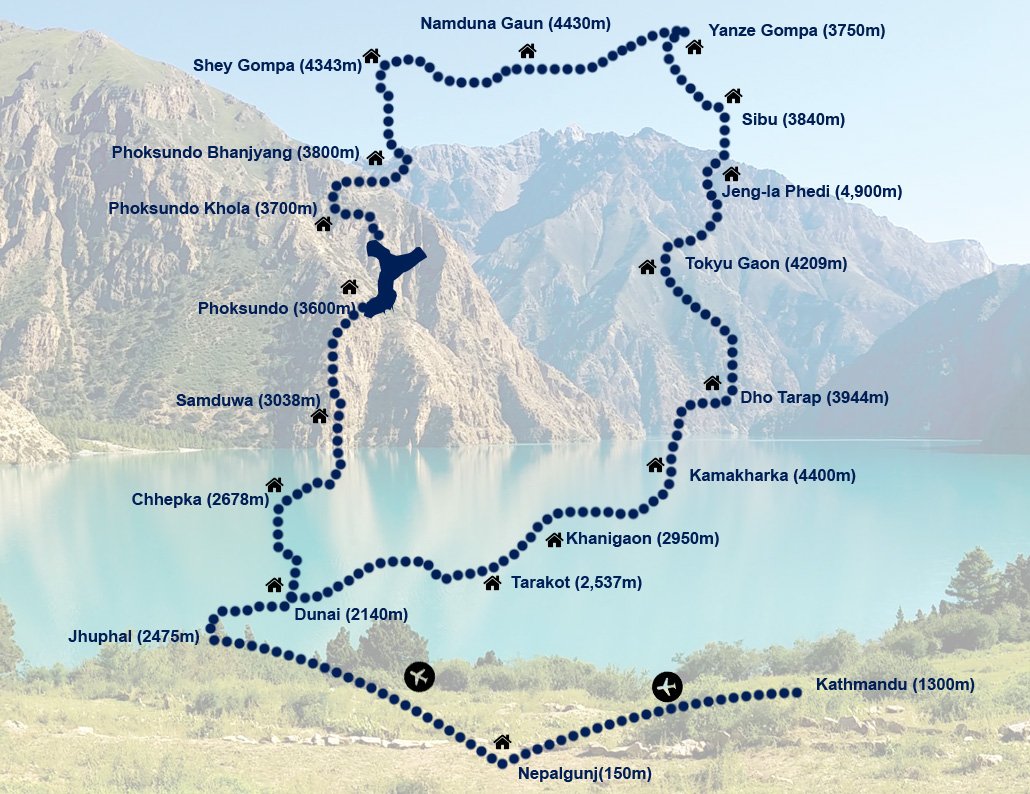
The Route
Gears & Equipment
Download Gear ListHead
- Sun Cap
- Fleece Hat/Warm Hat (1-2 Pcs)
- Neck Gaiter (2 Pcs)
- Head Lamp with extra batteries
Upper Body
- Thermal Top Base Layer (2 Pcs)
- Fleece Jacket (1 Pcs)
- Gore Tex Jacket (1 Pcs)
- Down Jacket (1 Pcs)
- Cotton T-Shirt (3 Pcs)
- Wind Breaker /windproof jacket (Optional)
Lower Body
- Thermal Bottom Base Layer (2 Pcs)
- Fleece Trouser (1pcs)
- Gore Tex Pant (1 pcs)
- Mid Weight Pants (1Pcs)
- Light Weight Quick Dry Trekking Pants (2-3 Pairs)
- Underwear(4-5 pcs)
- Gaiters for trekking boots
Hands
- Thin Fleece Gloves (2 Pairs)
- Wind Stopper / Screen Tap Gloves
- Normal down gloves
Sleeping Stuffs
- Sleeping Bag -20°C to -30°C
- Liners for Sleeping Bag
Bag Packs
- Rucksacks 35L – 45L (Day Bag)
Sun Stuffs
- Banana Boat/ Nivea Sun Cream (-50 Spf)
- Lip Guard 30-50 (Spf)
- Sun Glasses (Uv Protection)
Foot Wear
- Normal Socks (5-6 Pairs)
- Trekking Shoes/Hiking Boots (Gore Tex)
- Slipper (1 Pair)
- Camp Shoes (1 pair)
- Trekking Crampons (Spikes)
Eating & Drinking
- 1 Ltr. Water Bottle
- 1/ 1.5 Ltr. Thermos (Optional)
Toiletries
- Toilet Paper / Wet Tissue
- Toothbrush &Toothpaste
- Soap/ Shampoo
- Towel
Miscellaneous
- Nail Cutter
- Umbrella / Rain Coat
- Hot Water Bag(Optional)
- Power bank (Back up battery)
- Trekking poles-1 pair
Share Your Experience
Your insights help us maintain our exceptional standards and guide fellow travelers.
Send Quick Email

Questions? Talk to an expert
Schedule a callYou might also like
 19 Days16961 ft / 5170
Dolpo Experience Circuit Trek – 19 Days
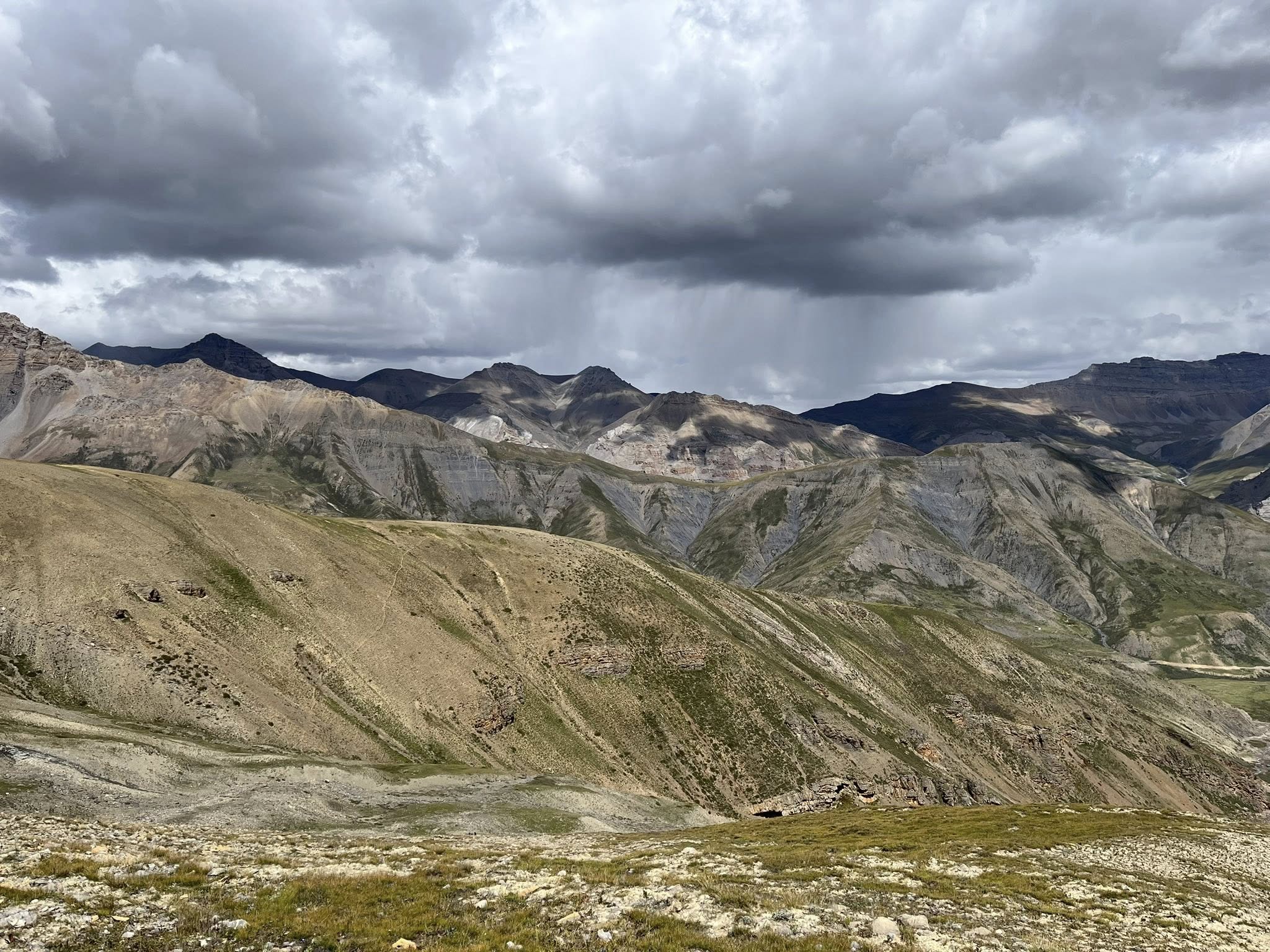
The Lower Dolpo Circuit Trek is one of Nepal’s most remote and rewarding trekking adventures, taking...
Ready to Explore the Himalayas?
Join us for professionally guided trekking, mountaineering expeditions, and peak climbing experiences across Nepal’s most iconic landscapes.
Join our newsletter & stay updated.
We're associated with

 ×
× - Day 02: Trek Preparation in Kathmandu